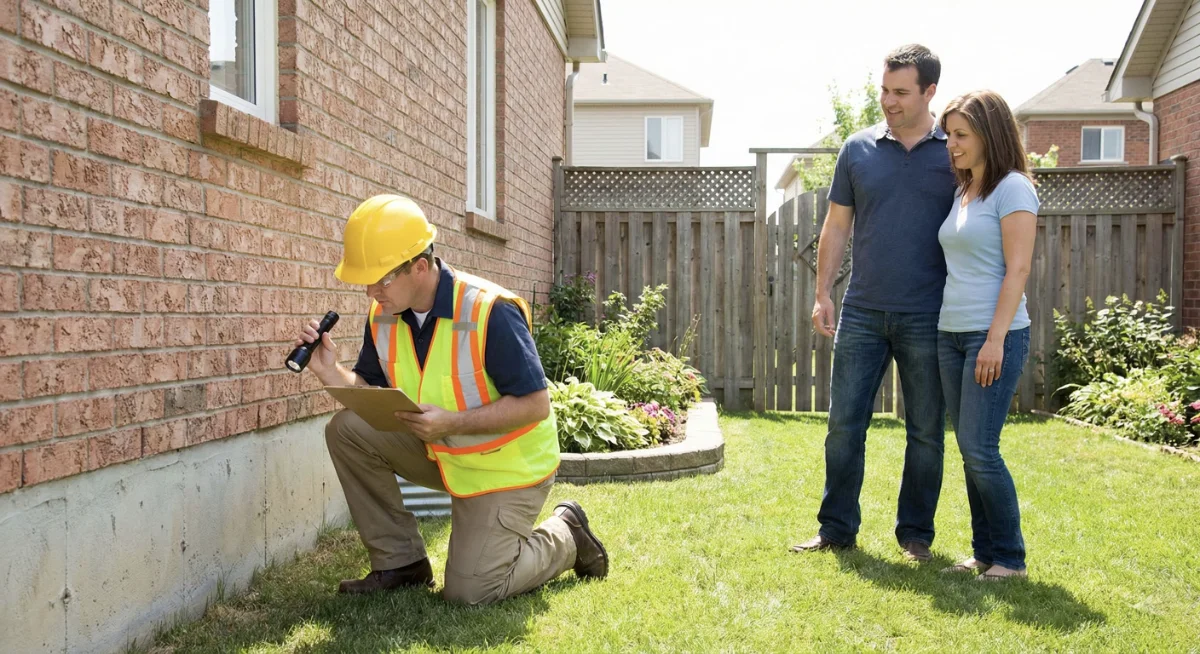
A home inspection is one of the most critical steps in the home buying process, yet many first-time buyers don't fully understand what it involves. For typically $300 to $500, a qualified inspector examines the property's major systems and structure, providing you with detailed information about its condition before you finalize the purchase. This knowledge can save you thousands of dollars in unexpected repairs and give you leverage to negotiate with the seller. Whether you're purchasing your first home or your fifth, understanding what happens during an inspection—and how to act on the findings—empowers you to make an informed decision about one of the largest purchases of your life.
What Is a Home Inspection?
A home inspection is a non-invasive, visual examination of a residential property's accessible areas, performed by a qualified professional to identify defects that may significantly impact the home's value or pose safety risks to occupants. According to the American Society of Home Inspectors (ASHI), the inspection "objectively examines a house's physical structure and systems, from the roof to the foundation."
The inspection typically takes two to four hours for a standard single-family home, though larger or older properties may require more time. After completing the on-site examination, the inspector provides a detailed written report within 24 to 48 hours, complete with photographs, analysis, and recommendations for addressing any issues discovered.
A home inspection is a point-in-time assessment based on what the inspector can observe during the visit. It is not a prediction of future conditions or a guarantee that problems won't develop later. The inspection reveals the home's current state, not its future performance.
Understanding what an inspection can and cannot reveal helps set realistic expectations. Inspectors examine visible and accessible components—they don't move furniture, tear into walls, or dig up yards. A "material defect," as defined by industry standards, refers to a specific issue that may significantly impact property value or pose unreasonable risk to occupants. General wear and tear or a system approaching the end of its useful life doesn't automatically qualify as a material defect.
What Inspectors Check During a Home Inspection
Home inspectors follow standardized guidelines established by professional organizations. According to the InterNACHI Home Inspection Standards of Practice, certified inspectors evaluate the following major systems and components:
Roof and Exterior
The inspector examines roofing materials, gutters, downspouts, flashing around chimneys and vents, skylights, and the general condition of the roof structure from accessible areas. They look for signs of active leaks, missing or damaged shingles, and improper drainage. On the exterior, they assess wall coverings, windows, doors, trim, and the condition of decks, porches, and walkways.
Foundation and Structure
This crucial evaluation includes examining the foundation type and visible condition, basement or crawl space, structural components, and any signs of water penetration. Inspectors look for evidence of foundation movement such as cracks, unlevel floors, and door frames that are out of square.
Major Systems
| System | What Inspectors Check |
|---|---|
| Heating (HVAC) | Operation using normal controls, thermostat function, energy source, heating method |
| Cooling | Air conditioning operation, thermostat response, cooling method identification |
| Plumbing | Main shut-off valves, water heater condition and safety features, fixture operation, drainage, sump pumps |
| Electrical | Service entrance, main panel, overcurrent protection, grounding, representative sampling of outlets and switches, GFCI protection in wet areas |
Interior Components
Inspectors test interior doors and windows, assess floors, walls, and ceilings for damage, evaluate stairs and railings, and check garage doors and automatic openers. Fireplaces receive attention for firebox condition, damper operation, and visible flue liner integrity.
Attic and Insulation
The attic inspection covers insulation type and condition, ventilation adequacy, visible structural elements, and signs of moisture or pest intrusion.
If you're considering FHA financing, note that FHA loans have specific property condition requirements that go beyond a standard inspection. Your lender will arrange a separate appraisal that addresses FHA's minimum property standards.
How Much Does a Home Inspection Cost?
Home inspection costs vary based on property characteristics and geographic location. The Consumer Financial Protection Bureau (CFPB) recommends budgeting for this expense as part of your overall home buying costs.
Standard Inspection Pricing
| Factor | Impact on Cost |
|---|---|
| National Average | $300–$500 for a standard single-family home |
| Cost Range | $200–$700 depending on location and property |
| Square Footage | Approximately $0.10–$0.15 per square foot |
| Property Age | Older homes often require more thorough examination |
| Geographic Location | Major metropolitan areas typically cost more |
| Inspector Credentials | Experienced or certified inspectors may charge premium rates |
Specialty Inspections
Standard home inspections don't cover everything. You may want to arrange additional testing based on the property's age, location, or specific concerns:
- Radon testing: $125–$250
- Mold inspection: $200–$600
- Termite/pest inspection: $75–$150
- Sewer line scope: $125–$300
- Pool and spa inspection: $150–$300
- Roof certification: $100–$200
- Well water testing: $300–$500
- Septic system inspection: $300–$500
If you're buying an older home (built before 1978), consider testing for lead paint. Properties built before 1950 may contain asbestos in insulation, flooring, or other materials. These environmental hazards require specialized testing not included in standard inspections.
The inspection fee is typically paid at the time of service, directly to the inspector. This cost is separate from your closing costs and is usually the buyer's responsibility. Think of it as inexpensive insurance—spending $400 now could reveal problems that would cost $40,000 to fix later.
Home Inspection vs. Home Appraisal: Understanding the Difference
Many first-time homebuyers confuse the inspection with the appraisal. While both occur during the purchase process, they serve completely different purposes and protect different parties.
| Aspect | Home Inspection | Home Appraisal |
|---|---|---|
| Purpose | Evaluate physical condition and identify defects | Determine fair market value |
| Who Orders It | Buyer (optional but strongly recommended) | Lender (required for mortgage approval) |
| Who Pays | Buyer | Buyer (as part of closing costs) |
| Who Conducts It | Licensed home inspector | Licensed appraiser |
| Primary Focus | Systems, structure, safety, functionality | Value based on comparable sales, location, features |
| Time Required | 2–4 hours on-site; report within 24–48 hours | 1–2 hours on-site; report within 1–2 weeks |
| Required for Loan | No, but highly advisable | Yes, required by lenders |
| Direct Outcome | List of defects and recommendations | Dollar value of property |
| Loan Impact | Indirect (through contingency negotiations) | Direct (low appraisal can prevent loan approval) |
The key distinction: an inspection protects you by revealing what's wrong with the property, while an appraisal protects the lender by confirming the home is worth at least as much as the loan amount. A property can appraise at full value while still having significant repair needs that only an inspection would uncover.
Both are essential to a smart home purchase. Don't skip the inspection just because the lender requires an appraisal—they evaluate completely different aspects of the property.
How to Prepare for a Home Inspection
Proper preparation helps you get maximum value from your inspection investment. Here's how to approach inspection day as a buyer.
Before Scheduling
Include an inspection contingency in your purchase offer. This contingency allows you to negotiate repairs, request price adjustments, or walk away from the deal based on inspection findings. Most contingency periods run 7 to 14 days.
Research and select a qualified inspector. Look for certifications from ASHI or InterNACHI. Ask for sample reports, verify licensing requirements in your state, and check reviews from past clients. Your real estate agent may provide referrals, but you're not obligated to use their suggestions.
Schedule promptly once your offer is accepted. Popular inspectors book quickly, and you need time within your contingency period to receive the report and negotiate if necessary.
Day of Inspection
Plan to attend the inspection in person. While not required, being present allows you to see issues firsthand, ask questions, and learn about the home's systems and maintenance needs directly from the expert examining them.
Prepare for 2–4 hours. A thorough inspection takes time. Bring a notepad to jot down important points and take your own photos as reminders. Dress appropriately—you may follow the inspector into attics, basements, or crawl spaces.
Questions to ask your inspector:
- What are the most significant issues you found today?
- Which items need immediate attention versus future planning?
- What is the estimated remaining life of major systems (roof, HVAC, water heater)?
- Are there any safety concerns I should address right away?
- What maintenance should I prioritize as a new owner?
After the Inspection
Review the written report carefully when it arrives. The inspector will categorize findings by severity and system. Focus on items described as safety hazards, major defects, or conditions requiring immediate attention. Cosmetic issues and normal wear typically don't warrant negotiation.
If financing with a conventional loan, discuss any significant findings with your lender. Certain conditions—like missing handrails, electrical hazards, or roof damage—might need addressing before closing.
Red Flags and Deal Breakers to Watch For
Not every inspection finding is equally concerning. Learning to distinguish minor issues from major problems helps you make informed decisions about how to proceed.
Major Red Flags That Warrant Concern
Structural Issues:
- Significant foundation cracks, especially horizontal or stair-step patterns
- Bowing or buckling walls
- Sagging roof lines or structural rafters
- Evidence of structural repairs without permits
- Foundation movement indicators (unlevel floors, out-of-square door frames)
Water and Moisture Problems:
- Active water intrusion in basement or crawl space
- Evidence of repeated water damage
- Improper grading directing water toward foundation
- Persistent moisture leading to mold growth
- Failed waterproofing systems
Roof Concerns:
- Multiple layers of roofing material indicating deferred maintenance
- Active roof leaks
- Significant sagging or structural damage
- Roof age approaching or exceeding typical lifespan with visible deterioration
Electrical Hazards:
- Outdated wiring systems (knob-and-tube, aluminum wiring without proper remediation)
- Problematic electrical panels (Federal Pacific, Zinsco, or double-tapped breakers)
- Missing GFCI protection in kitchens, bathrooms, and other wet areas
- Evidence of unpermitted DIY electrical work
Plumbing Issues:
- Polybutylene piping, which is prone to failure
- Galvanized pipes with significant corrosion
- Evidence of sewage backup or septic problems
- Water heater safety concerns (improper venting, missing TPR valve)
Environmental hazards like asbestos (common in homes built before 1980), lead paint (homes before 1978), high radon levels, and mold infestations typically require specialist assessment and can involve significant remediation costs. Factor these into your decision if the standard inspection raises concerns.
What Inspectors Cannot Evaluate
Per industry standards, inspectors are not required or trained to assess:
- Presence of mold, mildew, or fungus
- Radon levels or other airborne hazards
- Environmental hazards (lead paint, asbestos)
- Code compliance
- Concealed or latent defects behind walls or underground
- Pest infestations (termites, carpenter ants)
- Well water quality or septic system function
If you have concerns in these areas, hire appropriate specialists for additional testing.
How to Negotiate After the Inspection
The inspection report provides leverage for negotiating repairs or price adjustments with the seller. Approach these conversations strategically to achieve fair outcomes.
Your Negotiation Options
- Request repairs: Ask the seller to complete specific repairs before closing
- Price reduction: Request a lower purchase price to account for needed repairs
- Closing cost credit: Ask for a credit at closing that you can use toward repairs after moving in
- Combination approach: Negotiate a mix of repairs, credits, and price adjustments
- Accept as-is: Proceed with the purchase without requesting changes (common in competitive markets)
Best Practices for Effective Negotiation
Focus on significant issues. Concentrate your requests on problems affecting safety, structural integrity, or major systems. Items that could affect your ability to insure the home or that lenders might flag deserve priority.
Get repair estimates. Obtain quotes from licensed contractors to support your requests with specific dollar amounts. This documentation strengthens your negotiating position and helps justify your asks.
Be reasonable. Expecting the seller to address every item on a multi-page inspection report is unrealistic. Most homes have some issues, and you'll likely handle cosmetic concerns and minor maintenance yourself.
Consider market conditions. In a seller's market with multiple offers, extensive repair demands may cause the seller to move on to another buyer. In a buyer's market, you have more negotiating leverage.
What Sellers Typically Will and Won't Address
Usually negotiable:
- Safety hazards (electrical issues, carbon monoxide risks, missing handrails)
- Code violations
- Structural concerns
- Active water intrusion
- Non-functioning systems
- Items required by the lender for loan approval
Typically not negotiable:
- Cosmetic issues (paint, carpet stains, dated fixtures)
- Normal wear and tear
- Deferred maintenance the seller disclosed upfront
- Upgrades or improvements beyond current functionality
- Items visible during your initial showings
Having an emergency fund in place before closing helps you handle unexpected repairs that the seller won't address and gives you confidence to proceed even if negotiations don't go your way on every item.
When to Walk Away From a Home Purchase
Walking away from a property after inspection is a legitimate option protected by your inspection contingency. Sometimes it's the wisest financial decision, even if emotionally difficult.
Strong Indicators to Consider Terminating
Financial Concerns:
- Estimated repair costs exceed your budget or available reserves
- Repairs would push your total investment well above comparable homes in the area
- Seller refuses to negotiate on significant issues
- Problems would make the home difficult to resell
Safety Issues:
- Major structural instability that cannot be reasonably remediated
- Extensive mold requiring professional remediation with uncertain costs
- Significant environmental hazards with unknown remediation expenses
- Electrical systems posing fire or shock risks
Seller Behavior:
- Seller unwilling to disclose known issues
- Evidence that problems were actively concealed or covered up
- Seller refuses reasonable repair requests on major items
- Discovery of extensive unpermitted work that cannot be resolved
Potential Deal Breakers by Category
| Category | Potential Deal Breaker |
|---|---|
| Foundation | Extensive damage requiring underpinning or major structural intervention |
| Roof | Complete replacement needed with active leaks and structural damage |
| Electrical | Complete rewiring required on obsolete or hazardous systems |
| Plumbing | Full re-piping needed due to failing materials throughout |
| Environmental | High remediation costs for asbestos, mold, or contaminated soil |
Protecting Your Earnest Money
Your inspection contingency protects your earnest money deposit. Within the contingency period (typically 7 to 14 days from offer acceptance), you can:
- Request repairs or credits based on findings
- Negotiate a new purchase price
- Walk away and receive your earnest money back
According to the U.S. Department of Housing and Urban Development (HUD), understanding your contingency rights is essential for protecting your financial interests during a home purchase.
Never waive your inspection contingency unless you're an experienced investor fully prepared to accept unknown risks and have substantial financial reserves for unexpected repairs. The $300–$500 inspection cost is minimal compared to discovering major problems after closing when you have no recourse.
Frequently Asked Questions
A typical single-family home inspection takes two to four hours, depending on the property's size, age, and condition. Larger homes, older properties, and those with additional structures like detached garages or guest houses may require more time. The written report usually arrives within 24 to 48 hours after the on-site inspection.
Yes, attending in person is highly recommended. Being present allows you to see issues firsthand, ask the inspector questions about what they're finding, and learn about the home's systems and maintenance needs. You'll gain valuable knowledge about the property that won't come through as clearly in a written report alone.
Yes, inspection findings frequently lead to renegotiation. You can request repairs, ask for a price reduction, or negotiate closing cost credits based on significant issues discovered. Focus your requests on safety hazards, structural problems, and major system deficiencies rather than cosmetic issues or normal wear. Your success depends on market conditions and the seller's motivation.
If the inspection uncovers major problems, you have several options within your contingency period: negotiate repairs or price adjustments with the seller, bring in specialists for further evaluation, or exercise your contingency to walk away and receive your earnest money back. The right choice depends on the severity of issues, estimated repair costs, your budget, and how much you want the particular property.
No, sellers are not obligated to fix anything. Inspection findings provide information and negotiating leverage, but sellers can decline repair requests. They may agree to address some items, offer credits or price reductions instead, or refuse to make any concessions. In competitive markets, sellers often have multiple interested buyers and may be less willing to negotiate. Your options are to accept their position, continue negotiating, or exercise your contingency to withdraw from the purchase.
A home inspection is not required for mortgage approval—lenders require an appraisal, which evaluates the home's value, not its condition. However, most real estate professionals strongly recommend getting an inspection regardless of loan requirements. The inspection protects you by revealing problems that could cost thousands to repair, while the appraisal protects the lender by confirming the property's value supports the loan amount.
Conclusion
A home inspection is your opportunity to look beneath the surface of a property before committing to one of the largest purchases you'll ever make. For a relatively small investment of $300 to $500, you gain detailed insight into the home's condition—information that can save thousands in unexpected repairs and inform your negotiating strategy.
Remember these key points as you navigate the inspection process: always include an inspection contingency in your purchase offer, attend the inspection in person to maximize what you learn, focus negotiations on significant safety and structural issues rather than cosmetic concerns, and don't hesitate to walk away if major problems are discovered that exceed your risk tolerance or budget.
The inspection empowers you to make decisions based on facts rather than assumptions. Use it wisely, and you'll enter homeownership with realistic expectations about your new property's condition and the confidence that comes from informed decision-making.
Disclaimer: The information provided on RichCub is for educational purposes only and should not be considered financial, legal, or investment advice. We recommend consulting with a qualified financial advisor before making any financial decisions. RichCub may receive compensation through affiliate links or advertising on this site.
RichCub Editorial Team
Contributor
Home Equity Loan Guide: How to Borrow Against Your Home
Jumbo Loans: What They Are, Requirements & How to Qualify
Related Articles
Interest-Only Mortgages: How They Work, Risks & Who Should Consider One
Learn how interest-only mortgages work, their benefits and risks, qualification requirements, and whether this non-QM loan type fits your financial situation.
Mortgage Forbearance: How It Works & Your Exit Options Explained
Learn how mortgage forbearance works, eligibility requirements, credit impacts, and six exit strategies to protect your home and financial future.
Mortgage Rate Lock: When to Lock, Costs & Float-Down Options
Learn how mortgage rate locks protect your interest rate, when to lock in your rate, typical costs, and how float-down options work.