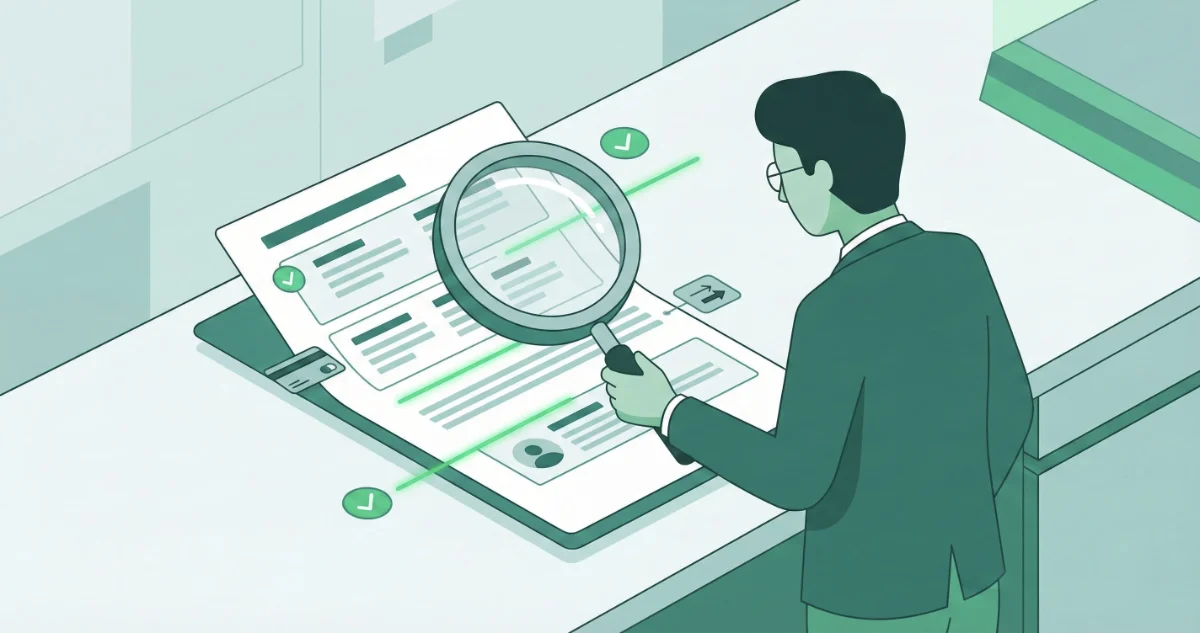
Your credit report is essentially your financial resume. Lenders, landlords, insurance companies, and even some employers use it to evaluate your trustworthiness with money. Yet according to a Federal Trade Commission study, one in five Americans has an error on at least one of their credit reports—errors that could be costing them higher interest rates or denied applications.
Understanding how to read your credit report isn't just useful—it's essential for protecting your financial future. Once you know what to look for, you can catch mistakes early, spot signs of identity theft, and take control of your credit health.
You're Entitled to Free Credit Reports
Under federal law, you can get free credit reports from all three major bureaus weekly at AnnualCreditReport.com. This is the only authorized source for free reports—avoid imposter sites that charge fees or require subscriptions.
What Is a Credit Report?
A credit report is a detailed summary of your credit history compiled by one of the three nationwide credit bureaus: Equifax, Experian, and TransUnion. It contains information about how you've managed credit and debt over time.
According to the Consumer Financial Protection Bureau, businesses pay credit bureaus to access your report when deciding whether to:
- Approve you for a loan or credit card
- Rent you an apartment
- Hire you for a job
- Offer you insurance
Because each bureau collects information independently from different sources, your reports may vary slightly between bureaus. That's why it's important to check all three.
The Four Main Sections of Your Credit Report
Every credit report is organized into four main sections. Here's what each contains and what to look for:
1. Personal Information
This section identifies who you are. It typically includes:
| Information | What to Check |
|---|---|
| Full name | Spelling correct, no unknown aliases |
| Current and previous addresses | All addresses are places you've lived |
| Social Security Number | Correct (usually partially masked) |
| Date of birth | Accurate |
| Current and past employers | Companies you've actually worked for |
Red flags: Names you don't recognize, addresses where you've never lived, or employers you've never worked for could indicate mixed files (someone else's info in your report) or identity theft.
2. Account Information (Trade Lines)
This is the most detailed section and has the biggest impact on your credit. Each credit account you've had appears as a "trade line" with:
| Detail | Description |
|---|---|
| Creditor name | Bank or company that issued the credit |
| Account type | Credit card, mortgage, auto loan, etc. |
| Account number | Usually partially masked for security |
| Date opened | When you opened the account |
| Credit limit or loan amount | Maximum credit available |
| Current balance | What you currently owe |
| Payment history | Record of on-time or late payments |
| Account status | Open, closed, paid, or in collections |
Understand Payment History Codes
Payment history often uses codes: "OK" or "1" means paid on time, while "30," "60," "90," or "120" indicates days late. A single 30-day late payment can stay on your report for seven years and significantly impact your score.
3. Public Records
This section shows financial matters that became public record, including:
- Bankruptcy filings
- Tax liens (for older reports)
- Civil judgments (for older reports)
Note: As of 2018, tax liens and civil judgments are no longer included on credit reports from the three major bureaus, but bankruptcy information still appears.
How long it stays: According to the FTC, bankruptcy remains on your report for 7-10 years depending on the type filed.
4. Inquiries
This section lists everyone who has pulled your credit report. There are two types:
| Type | Impact | Description |
|---|---|---|
| Hard inquiries | Can lower score | When you apply for credit (loans, cards) |
| Soft inquiries | No impact | When you check your own credit, or pre-approval offers |
Hard inquiries stay on your report for two years but typically only affect your score for one year. Multiple hard inquiries for the same type of credit (like mortgage shopping) within a 14-45 day window usually count as a single inquiry.
How to Get Your Free Credit Report
The Fair Credit Reporting Act (FCRA) guarantees you free access to your credit reports. Here's how to get them:
Option 1: Online (Instant Access)
Visit AnnualCreditReport.com—the only federally authorized source. The three bureaus have permanently extended weekly free access.
Option 2: Phone
Call 1-877-322-8228. Your report will be mailed within 15 days.
Option 3: Mail
Download and complete the Annual Credit Report Request Form, then mail to: Annual Credit Report Request Service P.O. Box 105281 Atlanta, GA 30348-5281
Bonus: Extra Equifax Reports
Through 2026, Equifax offers six additional free reports per year beyond the standard weekly access. Visit Equifax.com or call 1-866-349-5191.
Accessible Formats Available
Credit reports are available in Braille, large print, and audio formats. Call 877-322-8228 and provide certification of visual impairment under the ADA to request these formats.
What to Look for When Reading Your Report
When reviewing your credit report, systematically check each section for accuracy:
Personal Information Checklist
- Name spelled correctly
- All addresses are places you've lived
- Employers listed are correct
- No unknown variations of your name
Account Information Checklist
- All accounts belong to you
- Balances are accurate
- Payment history is correct
- Closed accounts show as closed
- No duplicate accounts
Signs of Potential Identity Theft
Watch for these warning signs:
- Accounts you never opened
- Addresses where you've never lived
- Inquiries from companies you never contacted
- Unfamiliar names or aliases
- Sudden unexplained changes in your credit score
How Long Information Stays on Your Report
Different types of information have different retention periods:
| Information Type | Time on Report |
|---|---|
| Late payments | 7 years from the delinquency date |
| Collections | 7 years from the original delinquency |
| Chapter 7 bankruptcy | 10 years |
| Chapter 13 bankruptcy | 7 years |
| Hard inquiries | 2 years |
| Positive accounts | Indefinitely while open, 10 years after closing |
Understanding these timelines helps you know when negative items should fall off—and lets you dispute items that remain too long.
How to Dispute Errors on Your Credit Report
If you find inaccurate information, you have the right to dispute it—for free. According to the FTC, both the credit bureau and the company that provided the information must investigate and correct errors.
Step 1: Document the Error
Gather evidence supporting your dispute—bank statements, payment confirmations, account statements.
Step 2: File a Dispute
Contact each credit bureau that shows the error:
| Bureau | Online | Phone | Mail Address |
|---|---|---|---|
| Equifax | equifax.com/personal/credit-report-services/credit-dispute/ | (866) 349-5191 | P.O. Box 740256, Atlanta, GA 30348 |
| Experian | experian.com/disputes | (888) 397-3742 | P.O. Box 4500, Allen, TX 75013 |
| TransUnion | transunion.com/credit-disputes | (800) 916-8800 | P.O. Box 2000, Chester, PA 19016 |
Step 3: Wait for Investigation
The credit bureau has 30 days to investigate. They'll contact the company that reported the information, which must verify or correct it.
Step 4: Review Results
The bureau must notify you of the outcome in writing. If your dispute is successful, you'll receive a free updated copy of your report.
Also Contact the Furnisher
Don't just dispute with the credit bureau—also contact the company that reported the incorrect information (the "furnisher"). They're also required to investigate and correct errors.
Protecting Your Credit Report
Beyond checking for errors, consider these protective measures:
Credit Freeze
A credit freeze prevents new accounts from being opened in your name. According to the FTC:
- It's free to place and lift
- Doesn't affect your credit score
- Must be placed with each bureau separately
- Can be lifted temporarily when you need to apply for credit
Fraud Alert
A fraud alert tells creditors to verify your identity before opening new accounts. Unlike a freeze, you only need to contact one bureau—they're required to notify the others.
For more on protecting and building your credit, see our guides on credit score basics and how to improve your credit score.
Your credit report has four main sections: personal information (name, address, SSN), account information (all your credit accounts with balances and payment history), public records (bankruptcies), and inquiries (who has checked your credit). Review each section systematically, checking that all information is accurate and belongs to you.
The only federally authorized source is AnnualCreditReport.com, where you can get free weekly reports from all three bureaus (Equifax, Experian, TransUnion). You can also call 1-877-322-8228 or mail a request. Avoid other sites claiming to offer free reports—many charge hidden fees.
Financial experts recommend checking your credit report at least once per year from each bureau. However, with free weekly access now available at AnnualCreditReport.com, checking more frequently—such as monthly or quarterly—helps you catch errors and signs of identity theft sooner.
File a dispute with the credit bureau showing the error and with the company that reported the information. Include documentation supporting your claim. The credit bureau must investigate within 30 days and notify you of the results. Both the bureau and the information provider must correct verified errors for free.
Most negative items stay for seven years from the date of the delinquency. Chapter 7 bankruptcy stays for 10 years, while Chapter 13 bankruptcy stays for seven years. Hard inquiries remain for two years but only affect your score for about one year. Positive information can stay indefinitely.
A credit report is the detailed record of your credit history—accounts, payment history, and inquiries. A credit score is a three-digit number (typically 300-850) calculated from that information, predicting how likely you are to repay debt. Your report is the data; your score is the summary.
No. When you check your own credit report, it's recorded as a "soft inquiry" and has no impact on your credit score. Only "hard inquiries"—when you apply for credit and a lender checks your report—can temporarily lower your score.
Conclusion
Your credit report is one of the most important documents in your financial life. By understanding how to read it—knowing what each section contains, what to look for, and how to dispute errors—you take control of your financial reputation.
Make checking your credit report a regular habit. With free weekly access available through AnnualCreditReport.com, there's no reason not to. The few minutes it takes to review your report could save you thousands in interest charges or protect you from identity theft.
Remember: the information in your credit report directly impacts your credit score and your ability to access credit at favorable terms. Stay vigilant, dispute errors promptly, and keep your credit report working for you—not against you.
Disclaimer: The information provided on RichCub is for educational purposes only and should not be considered financial, legal, or investment advice. We recommend consulting with a qualified financial advisor before making any financial decisions. RichCub may receive compensation through affiliate links or advertising on this site.
RichCub Editorial Team
Contributor
FICO vs VantageScore: Key Differences Explained
What Is a Credit Score? A Complete Beginner's Guide
Related Articles
How to Dispute Credit Report Errors: Step-by-Step
Learn how to dispute credit report errors with Equifax, Experian, and TransUnion. Step-by-step guide with sample letters and FCRA rights.
How to Request a Credit Limit Increase (Without Hurting Your Score)
Learn how to request a credit limit increase the smart way. Discover which issuers do soft vs hard pulls, optimal timing, and step-by-step instructions.
Credit Repair Services: Are They Worth It? How to Choose Wisely
Learn if credit repair services are worth the cost, how to spot scams, and when DIY credit repair makes more sense. Expert guidance on choosing wisely.